


Most of us know the popular song by Toto, “Africa,” that tells the story of a man experiencing Africa and falling in love. I always loved the song but I never quite understood what he was talking about until I got the opportunity to spend 12 days in South Africa and fell in love with it myself. I participated in a faculty-led study abroad trip offered through the Communication and Agriculture departments here at West Texas A&M University. A group of 16 students, two professors, and a staff member flew to Cape Town, South Africa. I know I am not the only one who came back changed.
Now, as someone who grew up in a small Texas town, Africa has always been a mysterious continent that I think a lot of people have a great misunderstanding about. All I ever really learned about it was that it was one of the seven continents, and we imported thousands of people from Africa during the slave trade. Not exactly the most positive or glorious thing to learn about a place. When in reality, South Africa specifically, is a country not so different from ours, with a unique and inspiring history. The other thing I have noticed is that Americans are afraid to travel to any part of Africa, and I have my theories about why. Regardless, I didn’t feel any more afraid of the people on the streets or anyone we met than I do right here in Amarillo. In fact, I recently went to Austin and Santa Fe, and in both cities I felt as though I could have been back in Cape Town.
The history of South Africa is something to note, and should inspire us in the times we are currently in. The country was devastated by the laws of apartheid, in 1948, the National Party gained control of the government and implemented segregation of the people using the system as their weapon. Though The Land Act of 1913 had already segregated the country. Non white citizens were forced from their land and homes and made to live in their own sections of land determined by the government, known as townships. In opposition to segregation, a group formed called the African National Congress (ANC); however, South Africa did not get rid of Apartheid law until 1991 and did not establish a new constitution until 1993.
In the Land Act, Black South Africans were only allowed 7% of the land and were forced to live in overpopulated and extremely poor townships. The only land they were able to live on outside of the townships was land where they served a white master. This, in turn, also created a difficult situation when it came to providing for themselves and their families. They could not have all the jobs the white people could and were forced to go farther and farther from their homes to work.
In 1950, the government passed the Population Registration Act, which separated the people even further and required every individual to be registered under a certain category. Those born in South Africa were labeled as Bantu (Black Africans). The second category was “coloured,” which were people of mixed race who were considered slightly “elevated” in the hierarchy. Then, of course, the third and highest class were the white people. Later on, a fourth category of Asian was added, which separated the people of Indian and Pakistani descent, according to the government’s definition.
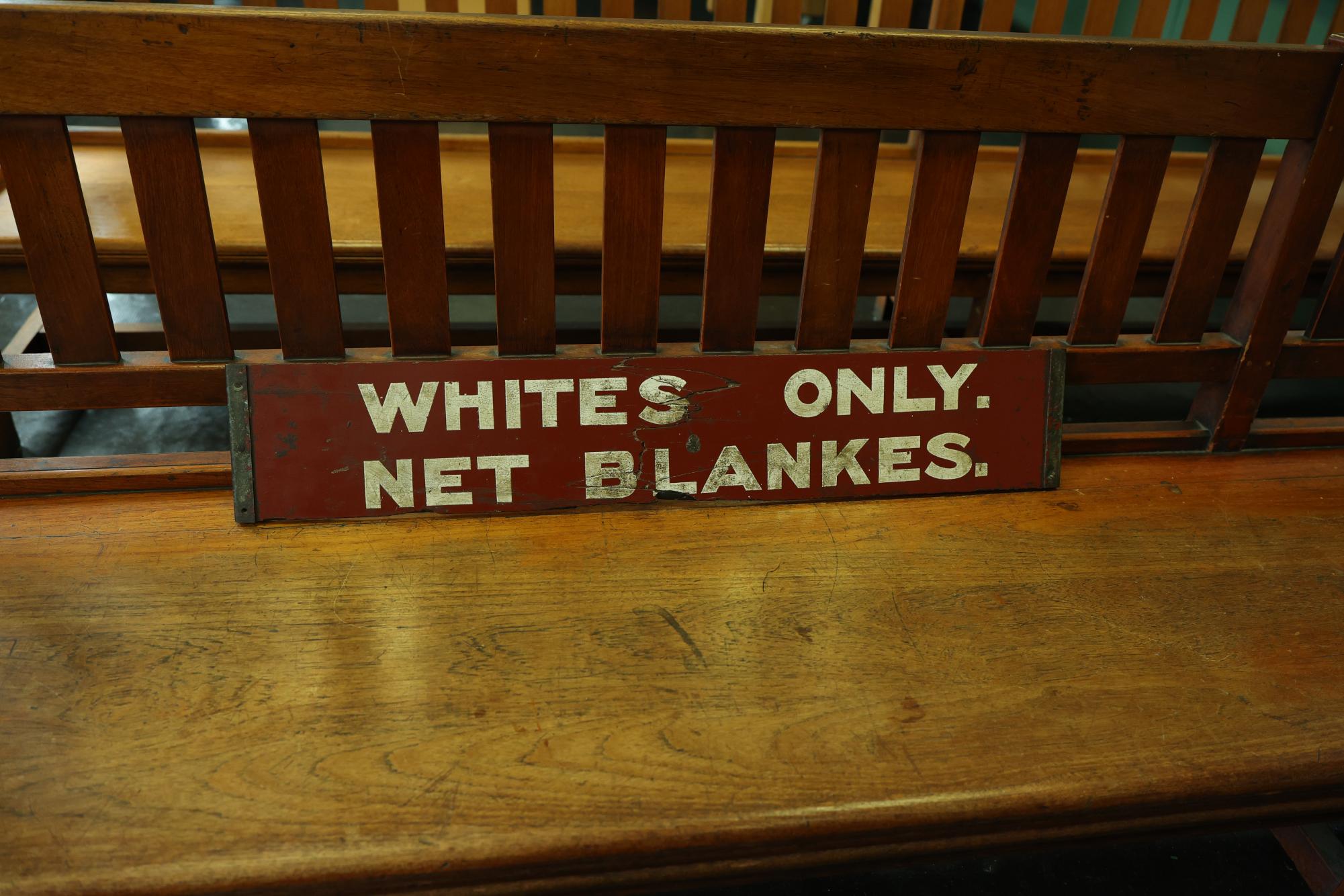
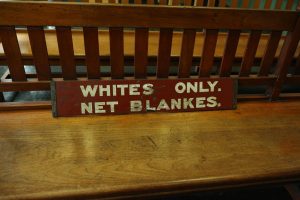
As more and more legislation was passed to separate the nation, the non-white citizens fell deeper and deeper into poverty and poor living situations. Aside from splitting them by race, they required everyone but the white to carry a pass which stated their race and where they could and couldn’t go. This restricted them from other townships and communities of different races. It also became illegal not to carry one and could lead to time in prison. They could not have sexual relations with whites, marry them, or enter their neighborhoods unless they were going to be working and had specific permission. Locations like banks or restaurants were segregated, as well as, public facilities. The government even banned non-white participation in the government to ensure they would not interact with each other and to ensure the non-white Africans had no power.
Many peaceful protests, strikes and marches took place in opposition to the laws, including pressure from outside nations, but it was no match for the corrupt government. In what became known as the Sharpesville Massacre, Sharpesville being a township, 67 people were killed and over 180 were wounded when police opened fire on an unarmed crowd. The people had marched to the police station with no passes and turned themselves over for arrest. This massacre was crucial to the fight because the organizations working against the government, the Pan-African Congress (PAC) and ANC, established a military to combat the violence. This is where we get Nelson Mandela, who became the leader of the ANC military wing and was then captured in 1961.
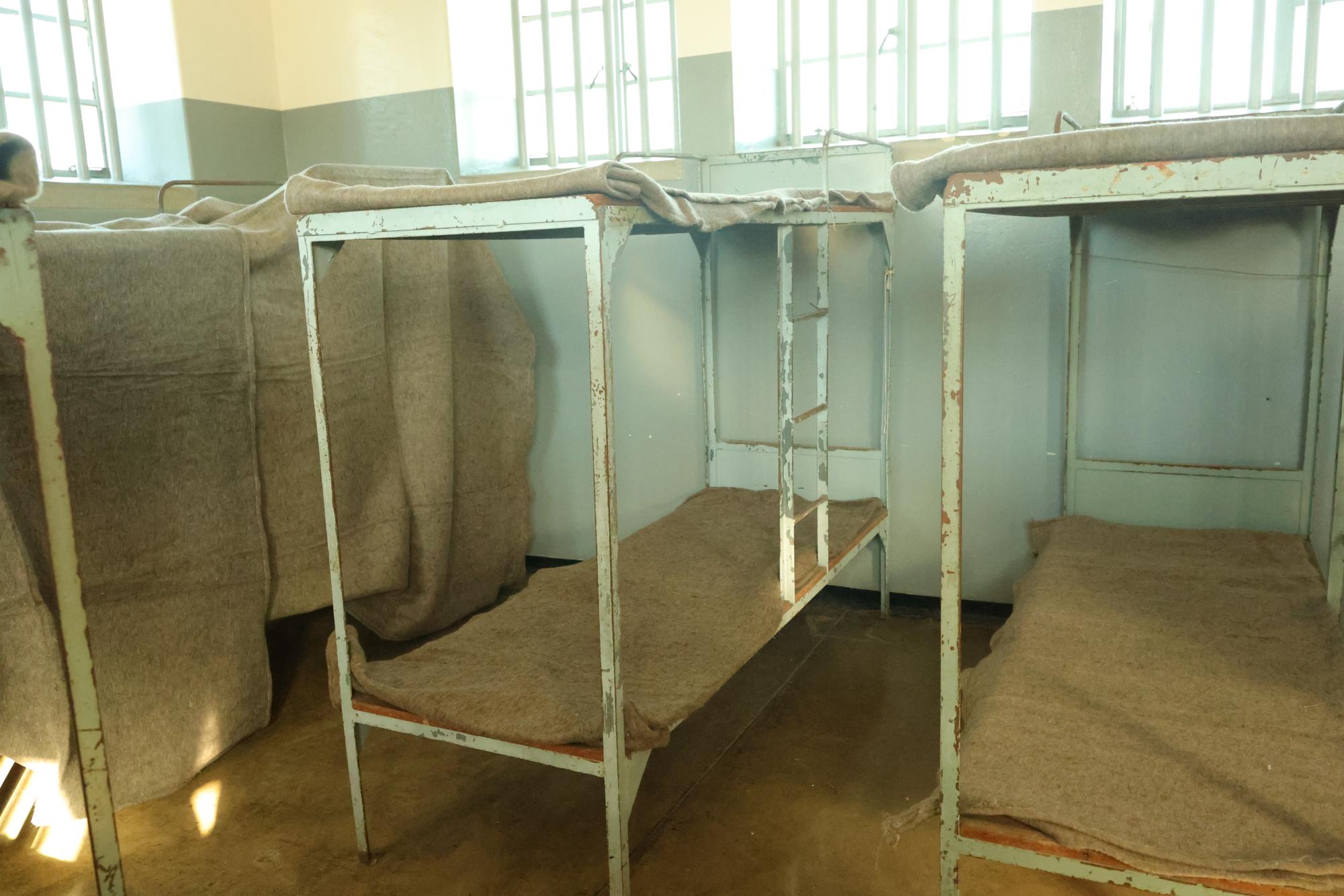
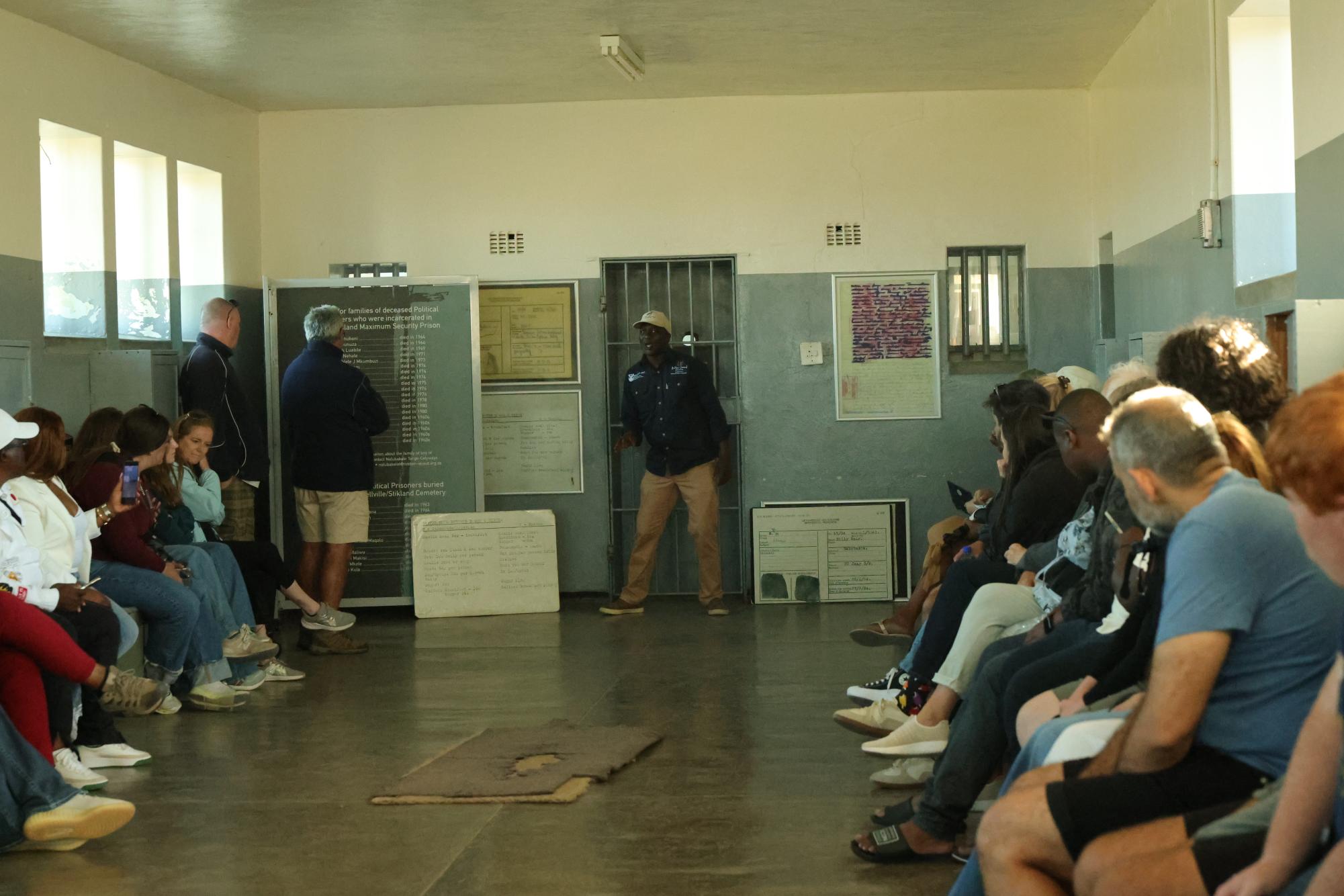
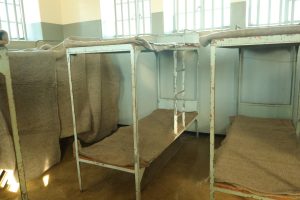
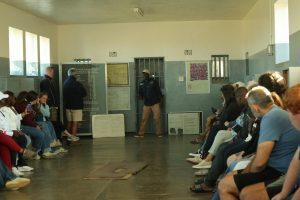
Robben Island was the prison that housed Mandela for 19 of his 27 years in prison. Robben Island, from the beginning of its use, has been used by the government as a place to send people who opposed the government. At Robben Island, prisoners were cramped into small stone quarters and separated by race. When Mandela was imprisoned there, they were separated by race not only in their living quarters, but also by what food they were allowed to eat and what material they were provided for sleeping. Prisoners would spend long hours working in a limestone quarry, hauling stone to a pile, just to haul it back, for the sake of labor. Until they used the limestone to build the newer maximum security prison in the early 1960’s, built by the prisoners.
Even with all of the horrible things that happened to the prisoners of Robben Island, Mandela was able to get letters out of the prison and inspire everyone around him. A specific letter from Mandela was snuck out of the prison and publicized in 1980, calling for “united mass action,” which led to international pressures on Africa, including the United States in 1985.
Eventually, through more fighting, advocacy, and a change in president, F.W. de Klerk was elected, Nelson Mandela was freed in 1990 by Klerk. A new constitution was enacted in 1994 with the help of Mandela, as president of the ANC, negotiating with de Klerk. Mandela was then elected and served as the first black president of South Africa from 1991-1994.
All that to say, South Africa is a pretty amazing country with people who fight for what they believe in, no matter what or how long they have to. So many people suffered and fought and died without seeing a solution, but they never gave up. While they still face corruption and issues in their government, they are still fighting and working for a fair and equal country for all.
For students interested in taking a study abroad trip, there are several options. I participated in a Faculty Led program which are self explanatory and are shorter. A department, or multiple in this case, will have faculty take students somewhere the faculty deems to be beneficial for their students. You do not have to be from that department however to participate, we had 5 students who were neither Communication or Agriculture. These are available only when they are planned by the university and require payment in full before departure. However, the Study Abroad office offers its own scholarship funding for students who qualify.
-
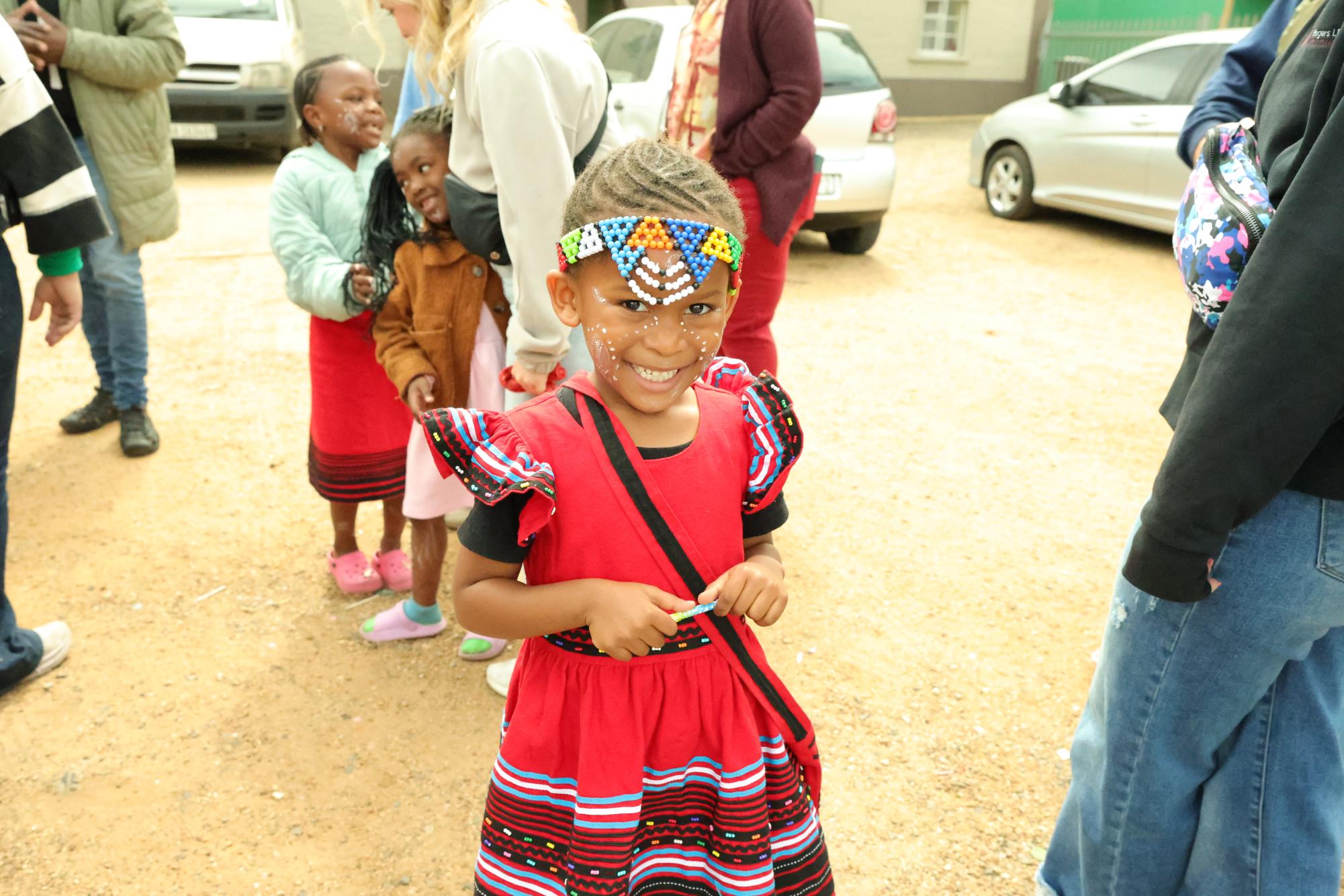
A child smiles for the camera, excited to see our group in Langa.
-
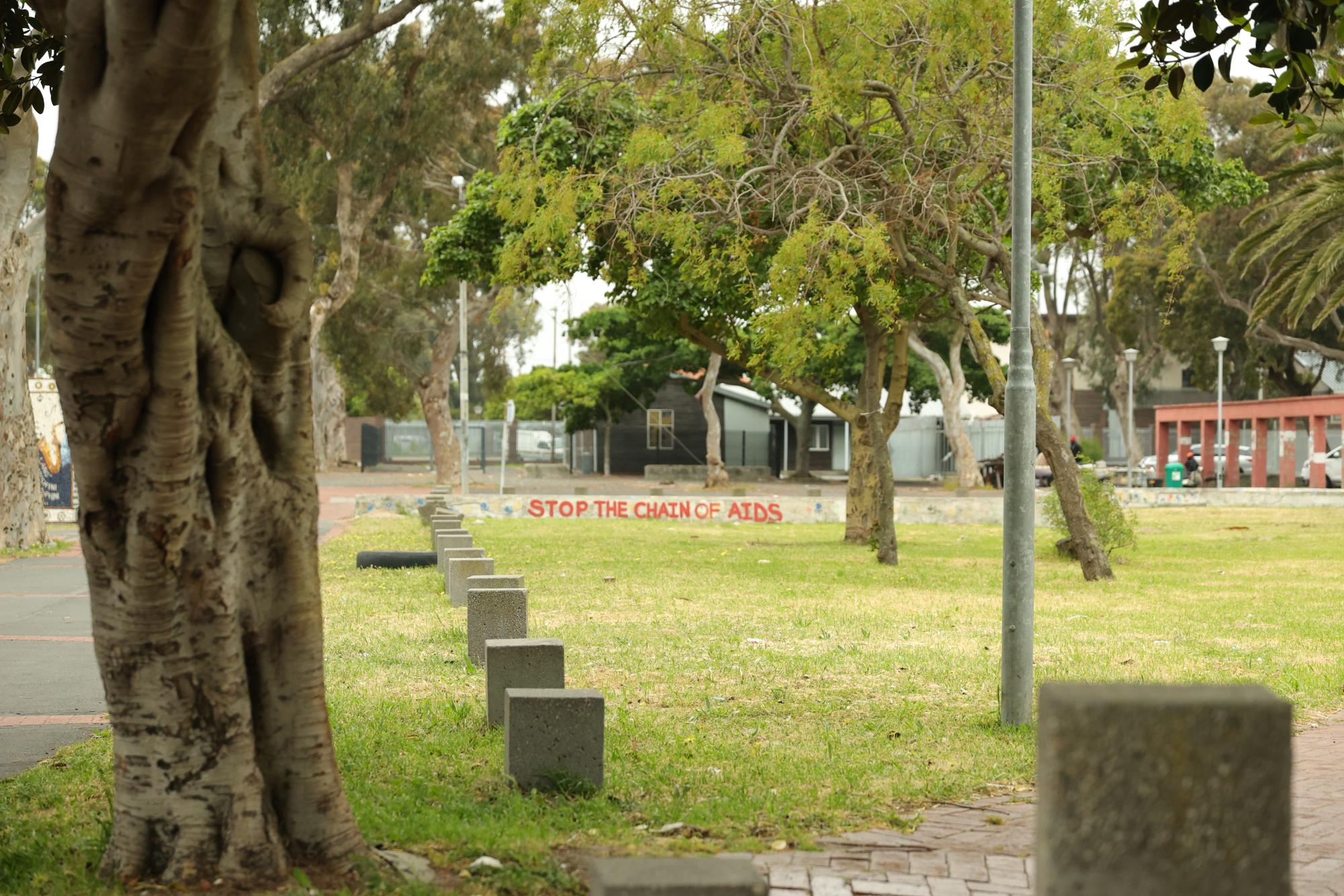
“Stop the chain of aids” painted in red with hand prints surrounding it. A powerful statement addressing the abundance of the disease in Africa and lack of care.
-
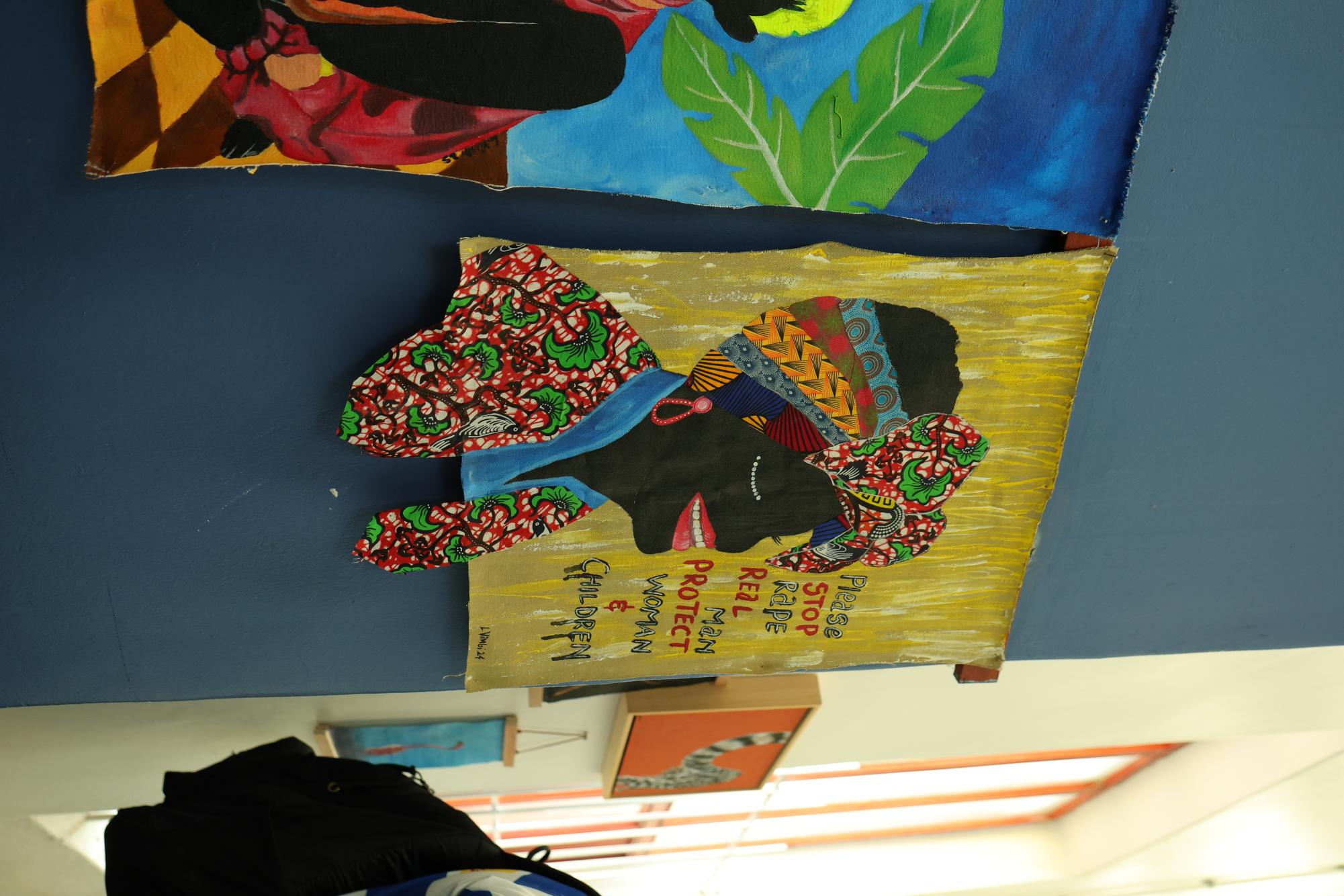
Art by a local Township artist addressing the culture of abuse by men.
-
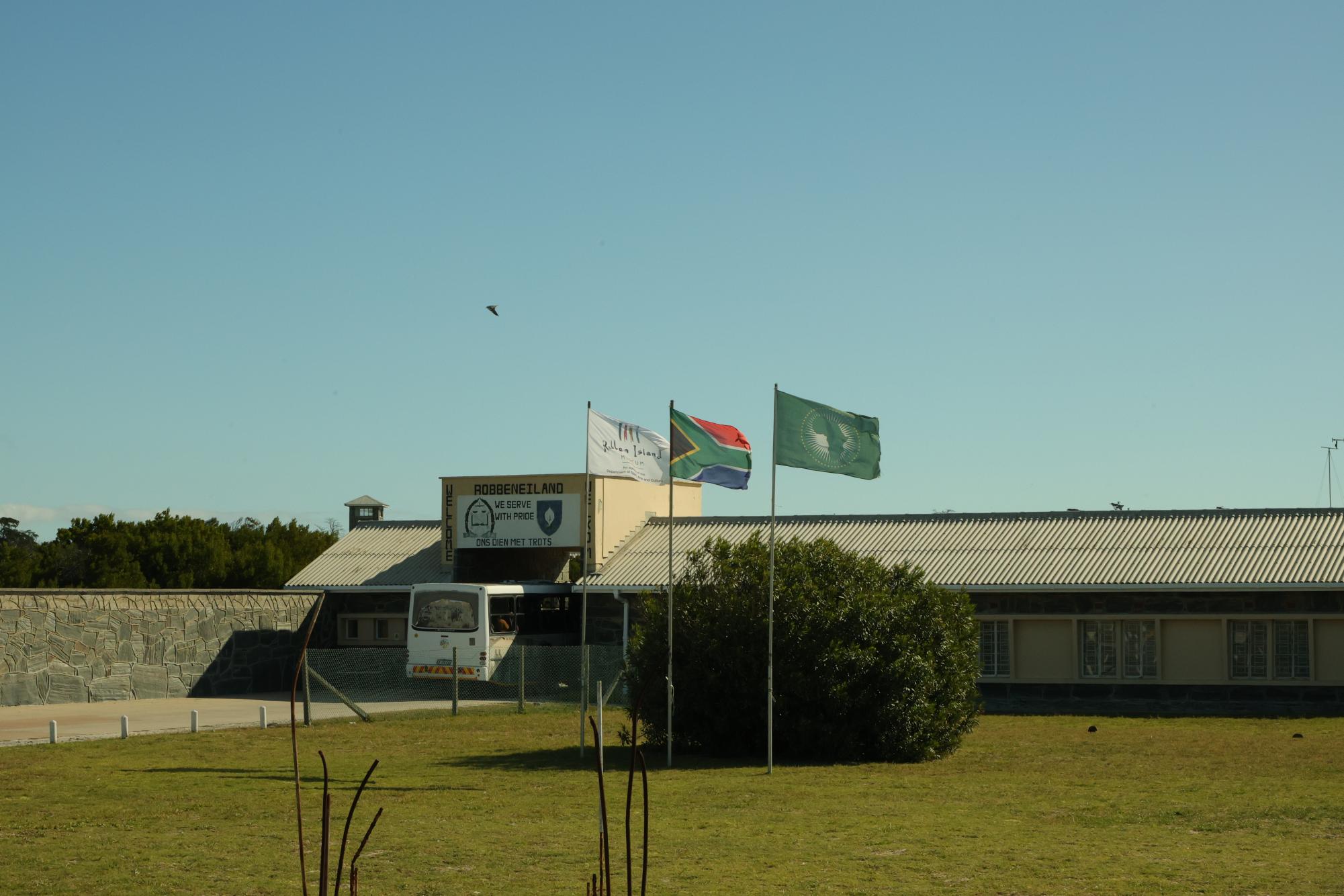
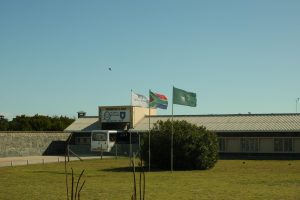
The entrance to Robben Island donning the phrase “We Serve With Pride.”
-
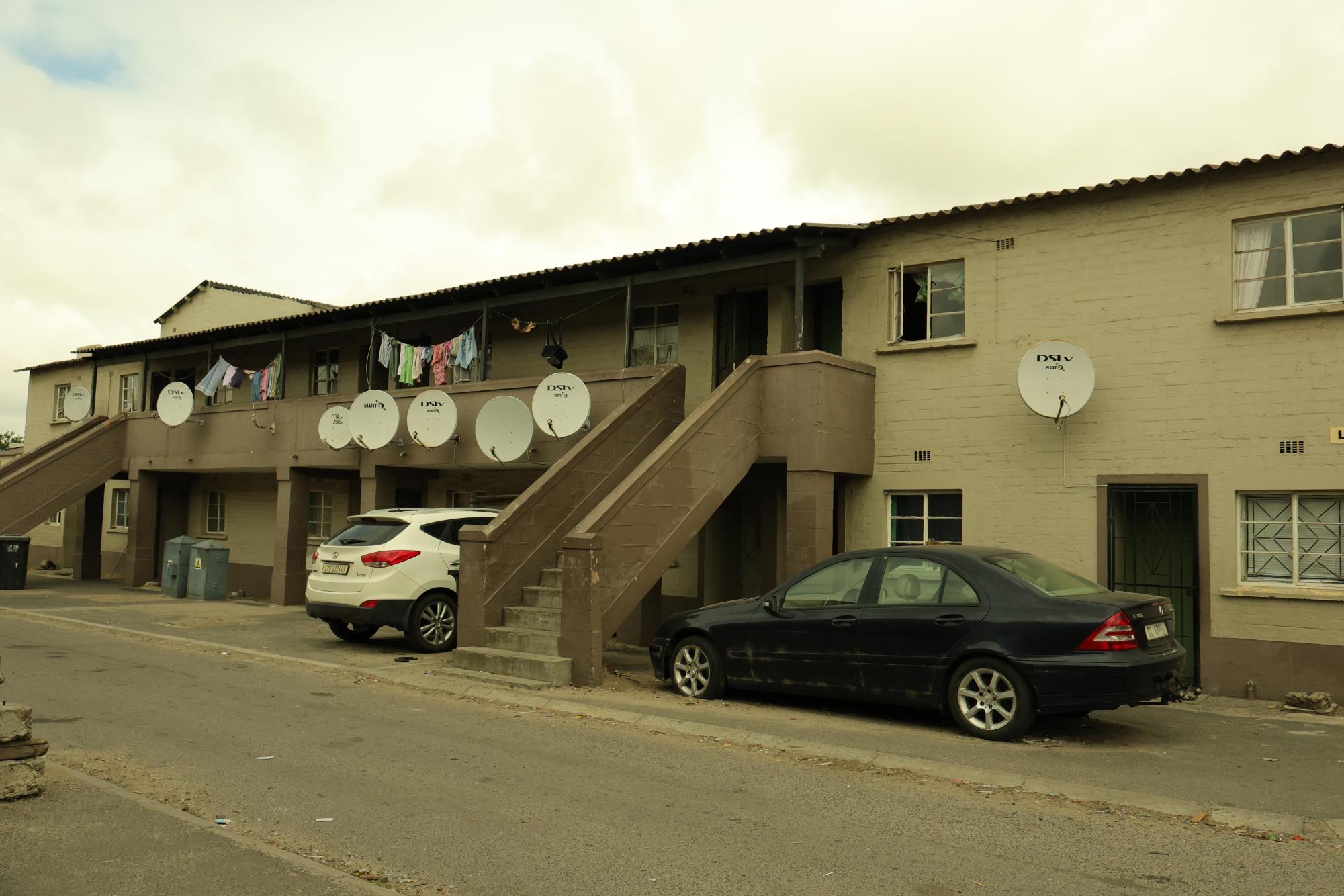
One of the government provided housing buildings in Langa
-
An example of the bedding and sleeping arrangements provided to prisoners.
-
A sign from Apartheid times displayed in a museum located in Laga, one of the oldest townships at 100 years.
-
The entrance to Robben Island donning the phrase “We Serve With Pride.”
-
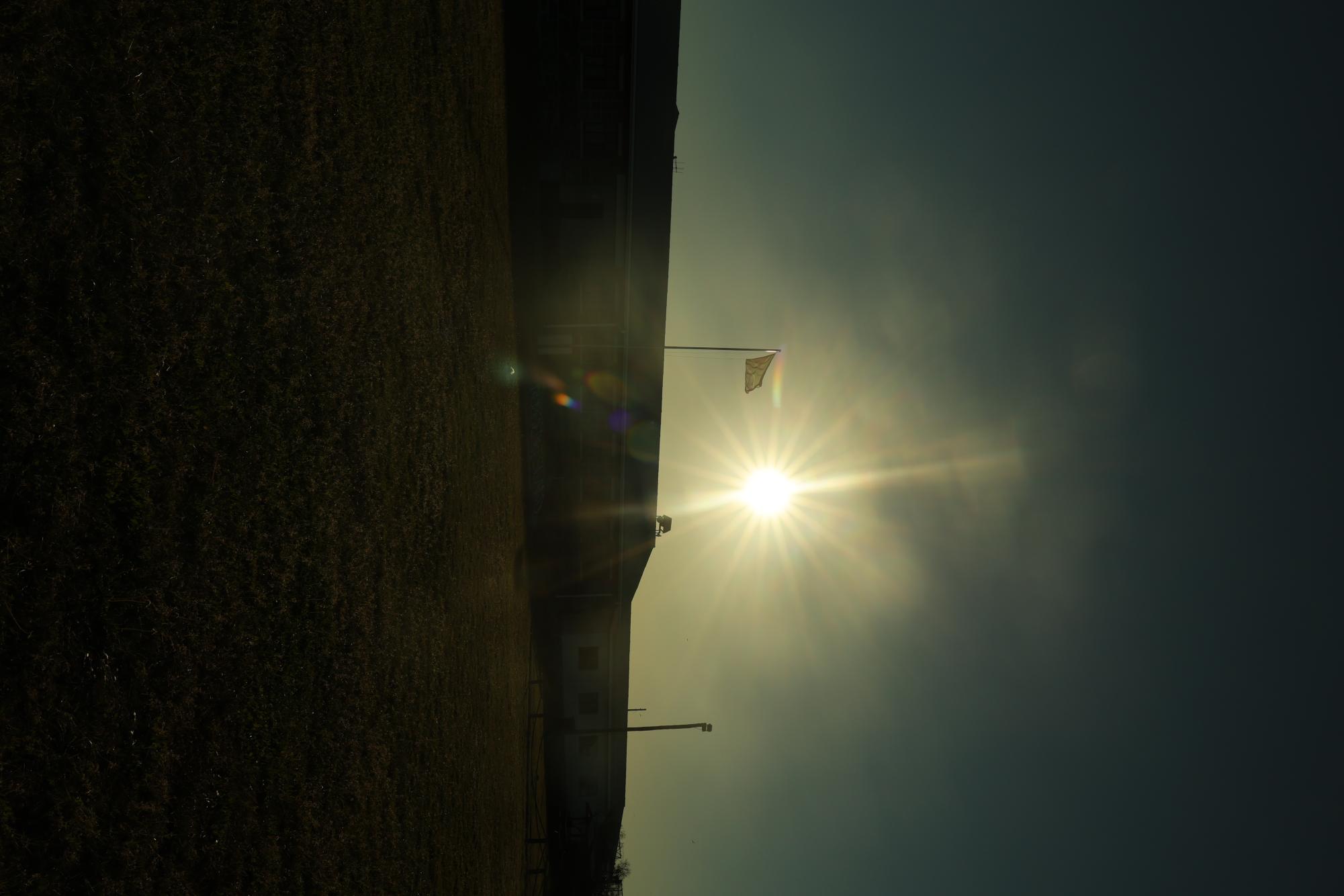
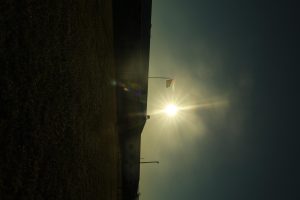
The African flag still flies high as the sun sets on Robben Island.


Another option of course is the typical study abroad experience you might think of, a semester in another country taking classes at an international university. You can choose where you want to go and then the Study Abroad office will work with your advisor and the university to find classes you can take. You’ll have to find a class that can count towards your degree that WT will accept for the classes you have left to earn your degree. This could also mean taking electives or classes counting toward a minor.
A third option they offer is to go through a third party affiliate that offers complete packages to travel and participate in excursions, as well as covering housing and tuition. These programs are convenient if you don’t want to try and explore on your own or just want more guidance while in a totally different country.
Between all these options, you can travel just about anywhere and get the cultural and learning experience you are wanting. It is a great option for those that want to travel but don’t know how, they will even help you find the right location for you if you aren’t quite sure.
You can apply for a program on the website and it is recommended to have a 3.2 GPA or higher. To find out more information you can contact them with the information below. Phone Number: (806) 651 – 4016 Location: Classroom Center 115 Email: [email protected]